


Original Police Title Brand: What It Means for Car Buyers and Sellers
- Original Police Title Brand: What It Means for Car Buyers and Sellers
- What Is an Original Police Title Brand?
- How Does a Vehicle Get an Original Police Title Brand?
- Sub-Types / Related Title Brands
- Who Assigns the Original Police Title Brand & Where It's Recorded
- How States Handle the Original Police Vehicle Title Brand
- Impact of an Original Police Title Brand
- Should You Buy an Original Police Vehicle?
- FAQs About Original Police Title Brand
- FREE Vehicle Search
A vehicle title does more than confirm ownership; it can provide a record of something meaningful in the car's background. This occurs through a title brand, an official designation that may cover damage, a unique classification, or special usage. The brand may appear on the title certificate, in the vehicle history record, or both.
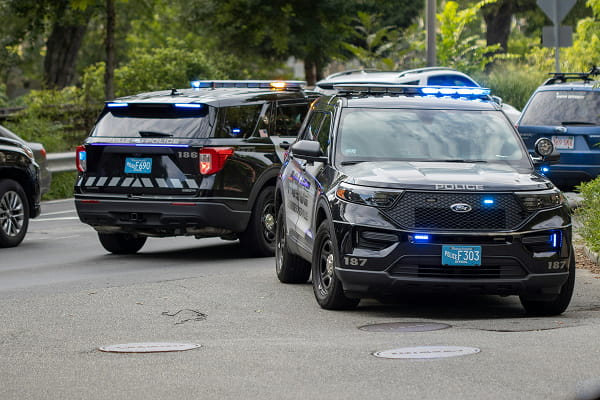
Common title brands that reflect condition include "Salvage", "Rebuilt", or "Flood". Other categories highlight cars that qualify as "Antiques" or "Classics". Still others disclose prior commercial roles as a "Former Rental" or "Prior Taxi". This latter grouping may also reflect a vehicle used by a public agency, which is where the "Original Police Title Brand" fits in. It's a type of car titled to a law enforcement agency and placed into active service. While most consumer-facing brands deal with post-sale events, this one reflects the vehicle's status at the time it was initially titled.
This status matters because a car used for patrol, enforcement, or special-duty work may experience operating conditions that differ from those of civilian models, affecting its resale value and marketability.
What Is an Original Police Title Brand?
An Original Police Title Brand indicates a car that was titled as a police vehicle during its service life. This falls under Brand Code 20, Original Police, for the National Motor Vehicle Title Information System (NMVTIS); the classification reflects an automobile currently registered as a police vehicle. This can apply to pursuit-rated sedans, patrol SUVs, unmarked units assigned to detectives, or administrative vehicles used within an agency.
It's a straightforward title brand that clearly indicates the vehicle is operated as part of a law enforcement fleet. That often translates into a car that experiences frequent stop-and-go driving and long idling periods. Of course, not every police vehicle undergoes these rigors; this classification alerts buyers that the car may not have been used like a privately owned automobile. The Original Police Title Brand ensures continuity in the NMVTIS database so that prospective buyers and others get a complete picture of the car's background.
How Does a Vehicle Get an Original Police Title Brand?
The Original Police Title Brand is applied at the time of purchase to a vehicle obtained by a police department for official use. The DMV issues the title confirming it's part of a law enforcement fleet. Depending on the state's reporting structure, the brand may appear on the title certificate or in digital records.
Importantly, Original Police is not a retirement label (see Prior Police below), and not many motor vehicle agencies actively use the designation (that's discussed later, too). However, if the vehicle later moves to another state, the designation will be carried forward through NMVTIS, even if the new state's DMV doesn't print "Original Police" on the title certificate.
Sub-Types / Related Title Brands
Title brand labels that appear similar can be overwhelming to consumers. Understanding the differences can make for a more informed purchase. Notably, not every DMV uses the same branding language or consistently follows NMVTIS brand codes. Some states may even apply unique terminology, adding to the confusion. That said, there are related classifications you may encounter.
-
Original Police: This is the official NMVTIS Brand Code 20 designation marking active law-enforcement use at the time of titling.
-
Prior Police: Another official NMVTIS label (Brand Code 18) that signifies a vehicle that has already left police service.
-
Former Government / Fleet Vehicle: Most states don't use a police-specific title brand but have broader governmental fleet classifications. Such a designation won't indicate a law enforcement history but will still show public-sector use.
-
Reconstructed: In some cases, a police vehicle involved in an accident or requiring major repairs may later be issued a Reconstructed title. This brand calls attention to structural or other major repairs, not police service. It's possible that a police-use background and a Reconstructed title brand could appear in the same vehicle history.
Who Assigns the Original Police Title Brand & Where It's Recorded
State DMVs assign an Original Police Title Brand when a vehicle is titled to a law enforcement agency. However, this brand originates during the initial registration and titling process, unlike other brands (like Salvage) that may be triggered after an accident and insurance claim. The Original Police Title Brand appears in state title records and is transmitted to NMVTIS, where the information is maintained across jurisdictions if there's a cross-border title transfer.
A printed title may or may not show the wording "Original Police". Some states include it, while others rely on NMVTIS to maintain brand records. Previous police use may also be documented in accompanying paperwork when these vehicles are sold through governmental surplus auctions. In addition, in states that use a Prior Police Title Brand, a car may receive that designation after it leaves active service, and that information will be reflected in NMVTIS.
How States Handle the Original Police Vehicle Title Brand
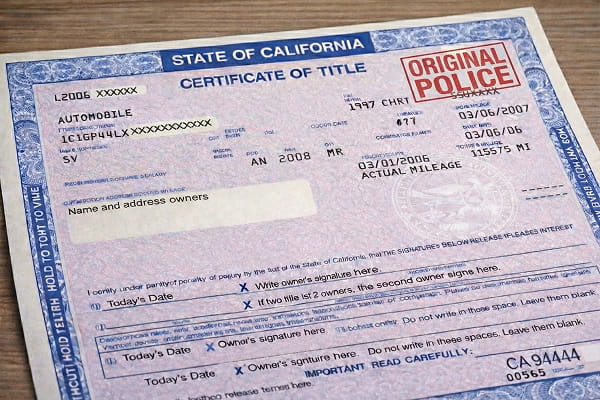
The practice of applying and displaying police-use designations varies widely by state. In addition, only two jurisdictions actively issue an Original Police Title Brand: California and Florida. However, given that both states have hundreds of law enforcement agencies, coming across a vehicle with an active or former Original Police Title Brand isn't out of the question. Even outside these states, other DMVs will still carry forward this designation through NMVTIS when a vehicle is retitled from California and Florida.
States That Issue the Original Police Brand
State |
How the Brand Is Used |
|---|---|
Florida |
Uses "ORIGINAL POLICE" as a distinct, exportable brand. NMVTIS Code 20 is transmitted when a vehicle is titled to a law enforcement agency. |
California |
Uses a combined public label "Original Police (or Prior Police)" and transmits Code 20 when appropriate. |
Other States
Although most states don't initiate the use of the Original Police Title Brand, these DMVs still play an essential role in how the designation appears in a vehicle's history. Under NMVTIS rules, any state that receives a vehicle already carrying Code 20 must keep that brand in the electronic record even if it does not appear on the printed title. As a result, buyers may find Brand Code 20 in a history report based on vehicle information number (VIN) data. For example, cars titled in Vermont, Michigan, or Nebraska, states that don't generate police-use brands, may still show Brand Code 20 because of this carry-forward requirement.
Impact of an Original Police Title Brand
The consequences of an Original Police classification begin with understanding that law enforcement vehicles operate under conditions different from those of typical consumer cars. Long hours of idling take a toll on engines. Fleet managers often use a rule of thumb that every hour of idling is roughly equivalent to 30 miles of driving. So, a police vehicle with 4,000 hours of idle time (many law enforcement vehicles have engine idle monitors) and 90,000 miles on the odometer has engine wear similar to a car with 210,000 miles. Add the demands of stop-and-go patrolling and additional electronic equipment, and police vehicles are often well-used when taken out of service. Long-term durability may not be ideal.
That's just one factor. Here are other considerations:
Resale Value |
|
Insurance |
|
Financing |
|
Usage History |
|
Should You Buy an Original Police Vehicle?
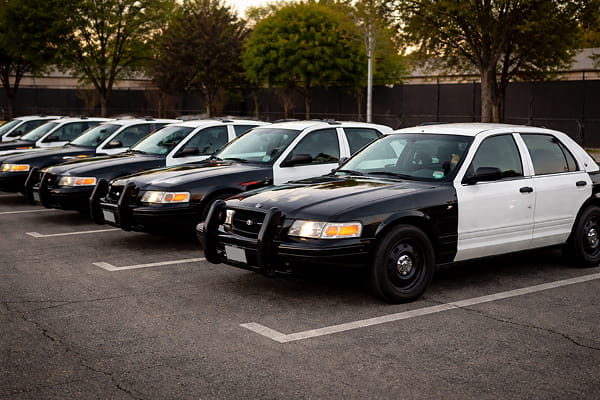
You may find great value in a car with an Original Police history, but focusing only on the bottom line may leave you short-changed later. Balance the advantages and drawbacks before proceeding with a purchase.
Pros
-
Lower Purchase Price: Police fleet vehicles may sell at a discount compared to civilian counterparts.
-
Heavy-Duty Components: Police cars often have more robust components, such as upgraded cooling systems and suspensions.
-
Consistent Maintenance: Police fleet vehicles are likely to be well maintained, with strict service schedules and documented maintenance histories.
Cons
-
Higher Wear: Long idle periods and demanding driving conditions can contribute to engine and drivetrain fatigue.
-
Cosmetic Marks: Evidence of equipment removal, mounting points, wiring, decal impressions, may remain.
-
Resale Limitations: Some buyers avoid former police units, which can affect future marketability and resale value.
Buyer Checklist
A careful review can help ensure a sound purchase.
Vehicle History |
|
Records/Documentation |
|
Mechanical Systems |
|
Appearance |
|
Pre-Purchase Inspection |
|
FAQs About Original Police Title Brand
State rules for police-use branding vary. Check with your motor vehicle agency and review NMVTIS-based reports to understand how a specific vehicle is classified.
- Original Police Title Brand: What It Means for Car Buyers and Sellers
- What Is an Original Police Title Brand?
- How Does a Vehicle Get an Original Police Title Brand?
- Sub-Types / Related Title Brands
- Who Assigns the Original Police Title Brand & Where It's Recorded
- How States Handle the Original Police Vehicle Title Brand
- Impact of an Original Police Title Brand
- Should You Buy an Original Police Vehicle?
- FAQs About Original Police Title Brand
- FREE Vehicle Search
FREE Vehicle Search
- Accidents
- Problem Checks
- Title Records
- Recalls
- Values
- Specs


-
 InfoPay, Inc. (dba GoodCar) is an Approved NMVTIS Data Provider
-

-
