


"Classic Vehicles" Title Brand - What It Means for Buyers and Sellers
- "Classic Vehicles" Title Brand - What It Means for Buyers and Sellers
- What Is the "Classic" Title Brand?
- Age and Condition Requirements for "Classic" Title Status
- How "Classic" Titles Differ From Antique or Historic Titles
- How States Handle the "Classic" Title Brand
- Benefits of a "Classic" Vehicles Title Brand
- Restrictions That Come With a "Classic" Title
- How to Apply for a "Classic" Title
- Buying a Vehicle With a "Classic" Title Brand
- FAQs About the Classic Vehicles Title Brand
- FREE Vehicle Search
The average automobile owner may never have to deal with a title brand, but this permanent record of a car's past or classification can matter when buying or selling certain vehicles. These designations advise consumers about previous damage, ownership history, or specialty categories for more unique cars.
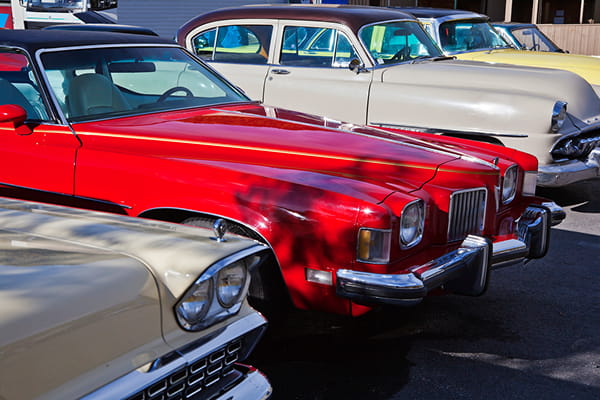
Often, a reduced value is associated with a vehicle marked with a title brand such as "Salvage" or "Flood". However, this isn't always the case. The "Classic Vehicles" Title Brand recognizes cars of a certain age, status, and enthusiast interest, which often increases value.
Understanding this Title Brand matters because it affects how the car can be driven, registered, insured, financed, and sold. There's also no uniform definition of "Classic" across states. Each DMV sets its own rules, which can differ widely. Recognizing these distinctions can help, whether you're buying or selling an older car or just thinking about jumping into the world of vintage vehicles.
What Is the "Classic" Title Brand?
A Classic Title Brand is a state-applied designation identifying an older vehicle with collectible qualities and potential enthusiast value. Unlike damage-based title brands, this classification isn't about warning buyers. Instead, the notation indicates a vehicle's preserved status. A DMV's use of the Classic Title Brand essentially acknowledges that the car is more than ordinary transportation; it's an automobile of historical interest and with collectible value.
In the states that apply the brand directly to the title, the classification becomes permanent. This designation can impact insurance coverage, financing options, and resale interest. However, several states apply the "Classic" label only to license plates and registration codes, not to the title. So, the meaning behind the term can vary significantly depending on which DMV is involved.
Age and Condition Requirements for "Classic" Title Status
States that offer a Classic Title Brand set the eligibility requirements that typically involve age and overall preservation. In general terms, a qualifying vehicle is 20 to 40 years old, but each jurisdiction determines the exact cut-off. Once age is established, some DMVs look at how closely the car reflects its factory configuration or a faithful restoration. A vehicle that closely resembles its original appearance is more likely to qualify under stricter qualification rules.
Some state laws emphasize preservation of the car's original character. So, significant cosmetic or mechanical changes may affect eligibility for a Classic Title Brand (or classic-type registration). The minimum expectation is that the vehicle is intact, complete, and safe to drive. Don't be surprised to encounter additional requirements that limit daily driving and restrict use to occasional pleasure driving and exhibitions.
How "Classic" Titles Differ From Antique or Historic Titles
Classic, Antique, and Historic Titles are often grouped together due to conflicting state regulations. Enthusiasts also incorrectly use these terms interchangeably; however, these terms mark stages in a vehicle's age and collectability. To avoid confusion, it's vital to understand the core concepts that separate these terms.
Antique Titles
Antique status is usually reserved for the oldest vehicles, generally at least 25 or 30 years old, but some cars can cross the half-century mark or beyond. An antique car title usually comes with the most significant use restrictions and specific registration rules.
Classic Titles
Vehicles with a Classic Title Brand are usually newer than cars with an Antique Title Brand. This often applies to automobiles in the 20-to-40-year range with preservation value, but the actual cut-off is based on each DMV's rules. What qualifies as a Classic vehicle in one state could fall under Antique standards in another, because each DMV sets its own antique qualifications and classic criteria.
Historic Titles
Depending on the state, Historic may be the appropriate title brand instead of Antique or Classic. However, in some jurisdictions, the Historic Title Brand is used with older enthusiast vehicles that meet stricter preservation standards and must follow limited-use guidelines. A museum-quality car is a common example.
How States Handle the "Classic" Title Brand
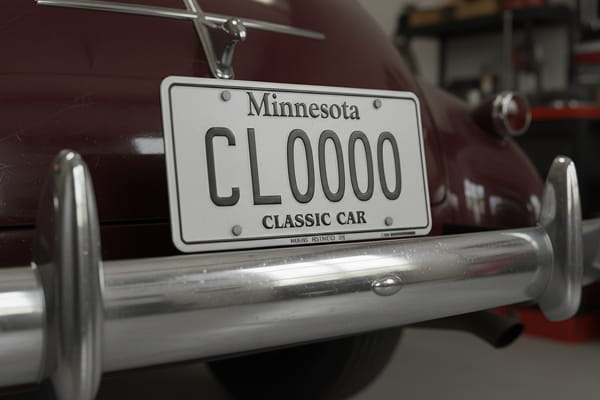
Not every state issues a Classic Title Brand, and among those that do, the rules vary widely. Some states treat Classic as a true title classification, while others only offer registration and plate options. Here's a breakdown of how select states handle a formal title brand, recognize or report Brand Code 25 (Classic) from the National Motor Vehicle Title Information System (NMVTIS), or simply provide plates.
States That Issue a "Classic" Title Brand or Classic-Specific Title Certificate
State |
How the State Uses the "Classic" Title Brand |
What Makes It a True Title Brand |
|---|---|---|
Kentucky |
Uses a "Classic Motor Vehicle Project" certificate of title which bears the wording "CLASSIC MOTOR VEHICLE PROJECT , NOT FOR ROAD USE" under KRS 186A.535. |
The title brand appears on the face of the certificate and distinguishes the vehicle's status under statute as a Classic motor vehicle project. |
Louisiana |
State law authorizes the issuance of certificates of title for Antique, Classic, or Vintage Vehicles under certain conditions. |
The Classic designation is applied through title issuance procedures and is an official title category under statute. |
Maine |
"Classic Vehicle" is listed as one of the state's official title certificate types. |
The designation is printed directly on the title certificate and is treated distinctly from antique or horseless-carriage categories. |
Nebraska |
Issues a "Classic Motor Vehicle" title certificate for vehicles originally manufactured more than 30 years ago, under the category of Classic Motor Vehicles. |
The title brand is printed for "Classic Motor Vehicle" status, and the vehicle must meet the defined criteria (age, major parts not replaced) in statute and DMV rules. |
Pennsylvania |
Pennsylvania recognizes "Classic Motor Vehicle" as an official category, and certain PennDOT forms specify that a vehicle must be "branded as an Antique or Classic Vehicle" on the title. |
The branding appears on the certificate of title, not just in plate registration, and is required for some permanent plate types. |
States That Recognize or Report NMVTIS Brand Code 25 ("Classic")
State |
How the State Interacts With NMVTIS Classic Brand |
Notes |
|---|---|---|
Florida |
Carries forward all NMVTIS brand codes (including Classic) even though it does not originate the brand itself. |
Florida's TL-59 procedure manual lists Brand Code 25 and explains handling rules. |
Vermont |
The DMV system recognizes NMVTIS Title Brand Code 25 (Classic) in its official brand-code tables. |
Preserves incoming Classic brands from other states but does not issue a Vermont-origin Classic brand. |
States With "Classic" Plates Only (NO Classic Title Brand)
State |
Why It Does NOT Count as a Title Brand |
Clarification |
|---|---|---|
Colorado |
Collector and Horseless Carriage registrations exist, but none use "Classic" or apply a classic-related title brand. |
Collector registration applies to vehicles 32+ years old with usage and emissions constraints; no Classic Title Brand is issued. |
Montana |
Pioneer and Vintage plates are registration-only; Montana titles remain standard regardless of plate type. |
A Montana title must be issued before special plates can be added. |
Nevada |
Offers Classic Vehicle, Classic Rod, and Old Timer plates, but these apply only to registration and do not affect the certificate of title. |
Titles remain unbranded; Classic categories apply only to plate eligibility and usage restrictions. |
Texas |
Provides Antique and Classic license plates, but does not apply a Classic brand to the certificate of title. |
Classic and Antique classifications refer to registration only; title brands in this state are limited to damage or legal-status identifiers. |
Benefits of a "Classic" Vehicles Title Brand
There are advantages to owning a vehicle with a Classic Title Brand, especially for owners who treat these vintage rides as collectibles rather than daily drivers. These perks may vary by state, but often include:
-
Reduced Registration Fees: Many DMVs offer reduced registration fees for older vehicles with a Classic Title Brand (or similar registration category).
-
Special License Plates: Some states offer nostalgia- or heritage-themed license plates that highlight a Classic Title Brand vehicle and its special status.
-
Insurance Perks: Classic car insurers may offer lower premiums for limited-use vehicles. However, very rare vehicles may still be costly to insure.
-
Inspection or Emissions Exemptions: A Classic Title Brand (or registration status) may reduce or eliminate DMV safety and emissions inspection requirements.
-
Market Appeal: A Classic Title Brand enhances a car's appeal to collectors and provides validation about its history and preserved condition.
Restrictions That Come With a "Classic" Title
The downside to a Classic Title Brand is that the vehicle can't be treated like a daily driver, even if it's in top running condition. It's a designation created to preserve classic cars and keep them primarily off the road. Restrictions will vary by state, but common ones include:
-
Limited Driving: The vehicle may only be used for minimal personal driving, participation in events, and trips for maintenance and repairs.
-
Mileage Caps: Some states may limit annual driving to a few thousand miles.
-
No Commercial Use: Driving for commercial purposes, such as delivery work, is usually prohibited.
Failing to observe the applicable restrictions in your state could lead to fines and revocation of the car's special status.
How to Apply for a "Classic" Title
Each state determines what's required when applying for a Classic Title Brand, but expect the process to include varying levels of paperwork and proof of the vehicle's condition. Most owners are required to:
-
Submit Proof of Age: Prior titles, registration records, or manufacturer documentation can verify a car's age.
-
Provide Photographs: In certain states, owners may be asked to submit photographs of the vehicle's exterior (and in some cases interior) as part of the Classic or collector-vehicle title or registration process.
-
Document Restoration Work: If the vehicle has been substantially rebuilt, the DMV may request verification of the work.
-
Pay DMV Fees: Pay the title and registration costs associated with a classic car.
-
Complete an Inspection: Where required, submit the vehicle for an inspection to verify its eligibility.
Once approved, the DMV will issue a title bearing the Classic Title Brand (or similar designation) and, where offered, companion classic plates. If you're familiar with how to get a title for an antique car, the basic steps are similar, only the age thresholds and labels change.
Buying a Vehicle With a "Classic" Title Brand

A car with a Classic Title Brand can be appealing, whether you're a first-time collector or an experienced enthusiast. However, this designation requires thorough research and outside support. Don't buy any classic ride without first following these steps.
Confirm the Brand on the Title
While a Classic Title Brand on a printed certificate is a good start, you'll want to verify the details in other ways. You can order a title report from the DMV to check the state's electronic records. Follow this with a vehicle history report from GoodCar. Depending on the car's age, you may be limited to more recent history (since 1981), but you'll be able to check for other title brands (like Salvage or Flood) that might affect value.
Understand Usage Limits
Remember that a Classic Title Brand may be accompanied by mileage caps and restricted driving conditions (check with the DMV), which can affect your lifestyle.
Have the Vehicle Inspected
Any used car should undergo a thorough pre-purchase inspection. This is crucial with Classic Title Brand vehicles that might have hidden damage or failing systems. The work should be performed by a professional technician experienced in examining older cars.
Review Insurance and Financing Options
Assuming there's no accident or negative title history (such as Salvage or Rebuilt), securing insurance and financing shouldn't be an issue. However, you may have to work with specialized insurers and lenders versus mainstream companies.
Consider Resale Dynamics
A Classic Title Brand can limit interest among average buyers, but increase appeal in enthusiast circles.
FAQs About the Classic Vehicles Title Brand
This article is an overview of the Classic Title Brand. Because state rules differ, always check with your local motor vehicle agency for current requirements.
- "Classic Vehicles" Title Brand - What It Means for Buyers and Sellers
- What Is the "Classic" Title Brand?
- Age and Condition Requirements for "Classic" Title Status
- How "Classic" Titles Differ From Antique or Historic Titles
- How States Handle the "Classic" Title Brand
- Benefits of a "Classic" Vehicles Title Brand
- Restrictions That Come With a "Classic" Title
- How to Apply for a "Classic" Title
- Buying a Vehicle With a "Classic" Title Brand
- FAQs About the Classic Vehicles Title Brand
- FREE Vehicle Search
FREE Vehicle Search
- Accidents
- Problem Checks
- Title Records
- Recalls
- Values
- Specs


-
 InfoPay, Inc. (dba GoodCar) is an Approved NMVTIS Data Provider
-

-
