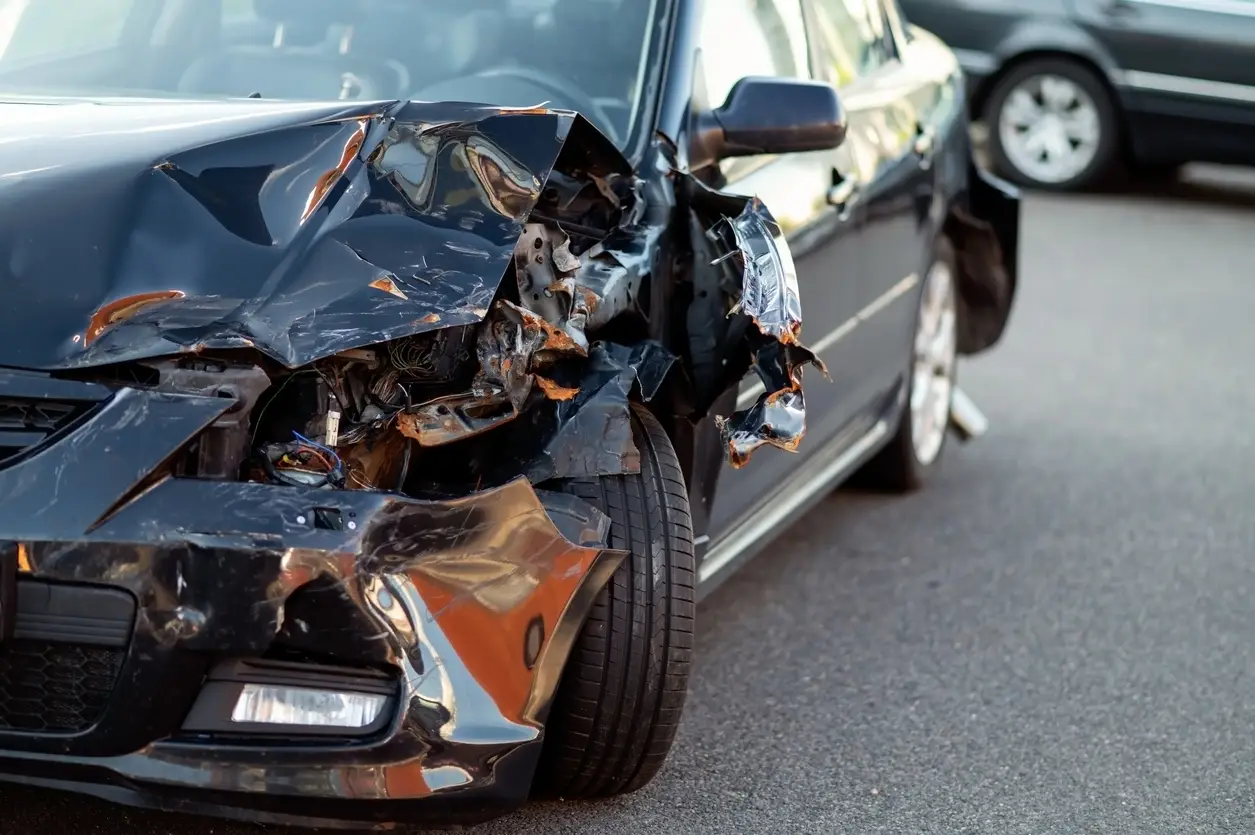




You plan and drive safely, but then the unimaginable happens - a hit-and-run. You've been left alone and shaken up, unsure of what to do in the aftermath of this traumatic event. Rather than leaving you unsure of what to do in these instances, we'll take you through a step-by-step guide on which actions to take when registering and reporting a hit-and-run accident. From determining whether you're dealing with an actual hit-and-run situation to knowing who to contact to begin filing an insurance claim, these tips will help you know what to do with a hit-and-run.
What is a Hit and Run?
“Someone hit my car and drove off!” A hit-and-run occurs when a driver collides with another vehicle or pedestrian and then leaves the accident scene without exchanging information or rendering aid. Hit and runs are considered serious offenses and can result in harsh penalties, including jail time.
If you are involved in any type of hit-and-run car accident, remain calm and gather as much information about the offending vehicle as possible, including the license plate number, make, and model. If there are any witnesses, get their contact information as well. Call the police immediately to report the incident. Do not chase after the offender; leave that to the authorities.
If you are injured in a hit-and-run, seek medical attention immediately. Even if you don't think you're seriously hurt, it's important to get checked out by a doctor because some injuries, such as internal bleeding, may not be immediately apparent. Be sure to keep all documentation of your injuries, including medical bills and records of missed work due to your injuries. This will be important if you file an insurance claim or personal injury lawsuit against the at-fault driver.
Hit-and-runs are unfortunately common and getting worse. According to a 2026 AAA Foundation for Traffic Safety report, 2,872 people were killed in hit-and-run crashes in 2023, accounting for 7% of all traffic deaths that year, the highest share ever recorded. Pedestrians and cyclists are especially at risk, making up about one in four hit-and-run injuries and deaths.
Different Types of Hit-and-Runs
There are two types of hit-and-runs: Property damage hit-and-runs and injury hit-and-runs.
A property damage hit-and-run is when a driver collides with another person's property and leaves the scene without supplying any of their information. This is a crime in most states. An injury hit-and-run is when a driver collides with another person and then leaves the accident scene without providing their information or offering aid. This is a felony in most states. If you are the victim of either type of hit-and-run, call the police immediately and try to get as much information about the other driver as possible, including a description of their vehicle, license plate number, etc.
The Consequences of the Hit and Run
A hit-and-run is when a driver purposefully leaves an accident scene without exchanging insurance information or rendering aid to the other party. Leaving the scene of an accident is a crime in all 50 states. The penalties for hit & runs vary by state but can include jail time, fines, and losing your driver's license.In addition to facing criminal charges, hit-and-run drivers can also face civil liability. This means that if you are involved in any type of hit and run, the other party can sue you for damages. The victim of a hit and run may be able to recover damages for their injuries, property damage, lost wages, and pain and suffering. If you are part of a hit-and-run, the best thing you can do is stop at the scene and exchange information with the other party. If you leave the scene of an accident, you could face serious consequences.

Victims' Rights After an Accident
If you're the victim of a hit-and-run, it's important to understand your rights. You may be feeling scared, frustrated, and helpless, but you do have options.
First and foremost, if you can, try to get as much information about the other driver as possible. If you can get a description of the car or the license plate number, that will be very helpful in tracking down the offender.
If there are any witnesses to the accident, get their contact information as well. The police will likely want to speak with them when they investigate the hit-and-run. Next, call the police and report the accident. It's important to make sure that a formal report is filed so that there is a record of what happened. Even if the police are unable to catch the other driver, having a report on file can be helpful if you need to make an insurance claim or take legal action later on. Finally, don't hesitate to seek medical attention if you have any type of injuries from the accident. Even if you believe your injuries are minor, you should still get a medical evaluation to be sure. It simply is not worth the risk.
What to Do After a Hit-and-Run Accident
- Call the police and file a report immediately
- Gather details on the other vehicle (plate, make, model, description) and witness contact info
- Seek medical attention, even for minor injuries
- Contact your insurance company and provide the police report
- Keep records of all expenses (medical, repairs, lost wages)
- Consider an attorney if the driver isn't found or the claim stalls

If you're the victim of a hit-and-run, don't panic. Take a deep breath and follow these steps:
- Call the police. File a police report as soon as possible. The sooner you do this, the better your chances of finding the hit-and-run driver and getting compensated by their insurance company.
- Get the other driver's information. If you can get the other driver's full name, phone number, address, email, insurance information, and the license plate number for their vehicle, it will be very helpful in filing your claim.
- Contact your insurance company. Your insurance company will contact the other driver's insurance company, then begin working on your claim.
- Get a copy of the police report. This will be very helpful in proving your case to the insurance companies and helping them determine who was at fault for the accident.
- Keep track of all your expenses related to the accident. This includes medical bills, car repairs, lost wages, and any other financial strain suffered due to this event. All of these expenses will need to be compensated by either the other driver's insurance company or your own insurance company (if you have uninsured motorist coverage).
- Hire an attorney if necessary. If you're having trouble getting compensated by either insurance company or if the other driver is nowhere to be found, you may need to hire an attorney to help you with your case.
Forewarned Is Forearmed!
Hit-and-runs are an unfortunate - and too common - part of being a driver, and knowing what to do after one makes the process less stressful, so you can stay safe on the road. Fortunately, if you're injured in a hit-and-run accident, there are still some steps you can take to ensure your rights are protected. Hopefully, this guide from GoodCar helped shed light on what a hit-and-run is and gave valuable information on what to do in a hit-and-run should it happen to you or someone you know.